Culture, Food and Festivals
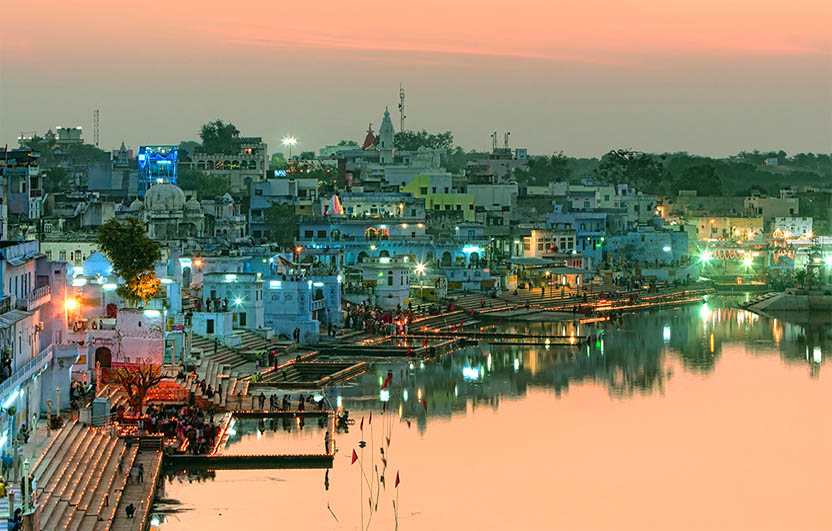
Because Pushkar is sacred to Hindus and strictly forbids meat, eggs and alcohol within town limits, its food culture has developed a distinctly wholesome, vegetarian character, and the town is well known for its cafe scene – a legacy of decades of backpacker and spiritual-seeker tourism. Expect thalis, fresh juices, Israeli and continental-influenced cafe fare alongside Rajasthani classics like malpua (a sweet pancake) and kachori, often enjoyed on rooftop terraces overlooking the lake.
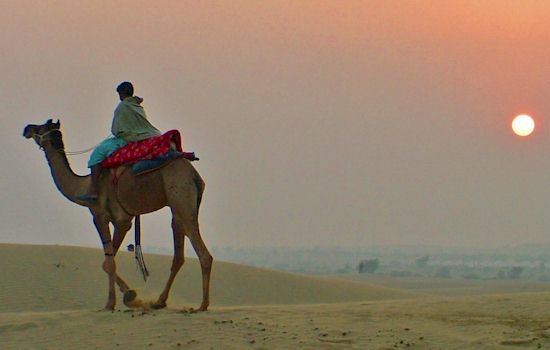
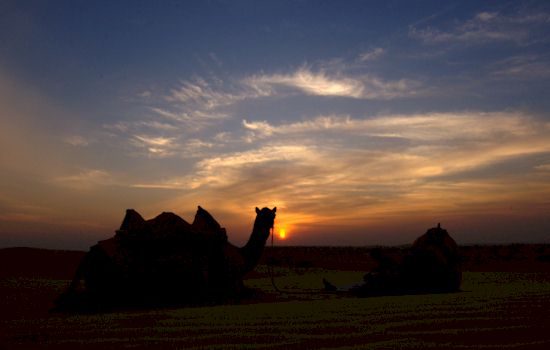
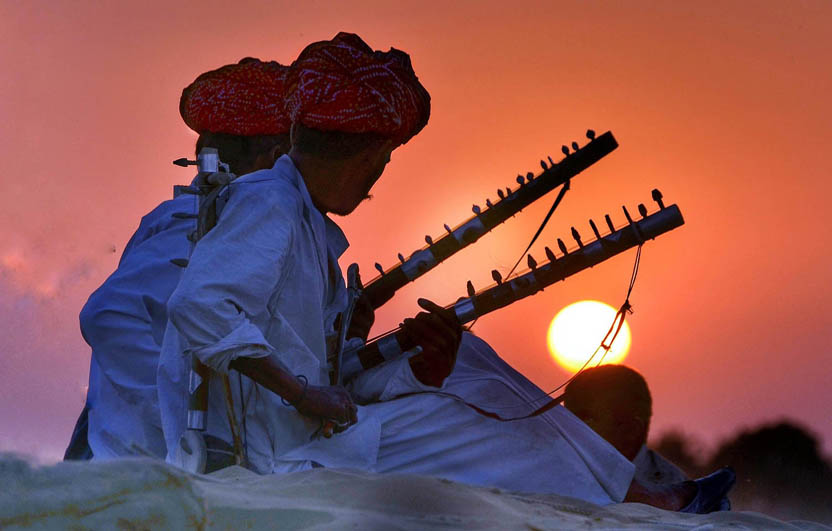
The undisputed highlight of Pushkar's calendar is the Pushkar Camel Fair (Pushkar Mela), held around the Kartik Purnima full moon. What began as a practical livestock trading event has become a major cultural festival, with camel races, camel decoration competitions, folk music and dance performances, a Ferris wheel and carnival games, and thousands of pilgrims taking a ritual dip in the lake on the full moon night itself, believed to be especially auspicious. Even travellers with no interest in livestock trading find the fair's atmosphere – equal parts spiritual gathering, rural fair and cultural spectacle – unforgettable.
Travel Tips for Pushkar
Remember that Pushkar is a sacred pilgrimage town, not just a tourist stop: dress modestly (shoulders and knees covered), remove shoes before stepping onto ghat platforms, and always ask permission before photographing people performing rituals at the lake. Alcohol, meat and eggs are prohibited within the town itself, so plan meals accordingly – this is easy given the excellent vegetarian cafe scene, but worth knowing in advance.
Local "priests" sometimes approach tourists near the ghats offering a lake blessing ceremony (puja) in exchange for a donation, and while this can be a genuine and worthwhile experience, be clear in advance about what donation is expected to avoid pressure for a larger sum afterward – a polite, firm decline is entirely acceptable if you'd rather not participate. If visiting during the Camel Fair, book accommodation as far ahead as possible, since prices multiply and availability is extremely limited during the festival dates.
Photography is generally welcomed around Pushkar, especially during the Camel Fair when colourfully dressed herders and decorated camels make for striking images, but it's good practice to ask before taking close-up portraits of people, particularly at the ghats where pilgrims are engaged in private religious rituals. Carrying small change is useful for temple donations, and note that shoes must be left at designated points before entering the ghats or temples, so slip-on footwear is more convenient than laced shoes.
Where to Stay
Pushkar has a good spread of guesthouses, boutique heritage hotels and desert camps just outside town. Staying near the ghats puts you close to the main sights and the bazaar, while a desert camp on the outskirts offers a quieter, more scenic stay with views over the surrounding hills – a good option outside the peak Camel Fair period when town accommodation is scarce. Rooftop cafes attached to many guesthouses are a pleasant way to end the day, often with unobstructed views over the lake and surrounding temple spires.
Suggested Pushkar Itinerary and Excursions
Pushkar's compact size means a day and a half is enough to see everything comfortably, though many travellers enjoy simply relaxing here for two or three days given its calm, low-key atmosphere.
Day 1: Start early with a sunrise walk along the ghats and a visit to the Brahma Temple before the day's heat and crowds build up. Spend the late morning and afternoon exploring the bazaar's shops and cafes, then take the ropeway or hike up to Savitri Temple in the late afternoon for sweeping views and sunset over the lake and desert hills.
Day 2 (optional): Visit the quieter Pap Mochani (Gayatri) Temple viewpoint in the morning, then spend a relaxed day exploring lanes of the bazaar you missed, or simply enjoying Pushkar's cafe culture. If travelling during the Kartik Purnima period, dedicate this day to the Camel Fair grounds.
Pushkar combines naturally with Ajmer (just 11 km away, home to the important Ajmer Sharif Dargah, the revered Sufi shrine of Khwaja Moinuddin Chishti that draws pilgrims of all faiths year-round) as a half-day add-on, and fits easily into a broader Jaipur-Pushkar-Udaipur or Jaipur-Pushkar-Jodhpur circuit. Many travellers combine a morning at the Dargah in Ajmer with an afternoon in Pushkar, since the two towns are so close together and offer such a different pilgrimage experience side by side – one Hindu, one Sufi Muslim, both deeply significant.
See our car rental services for comfortable transfers between cities, or browse our Rajasthan tour packages for multi-city itineraries that include Pushkar.